

Africa Takes Its Own EV Policy Framework to COP31, Puts Industrialisation at the Centre of Mobility Transition
The African Union's continental electric mobility framework seeks to move the region beyond vehicle electrification towards local manufacturing, battery value chains and energy security, as Kenya, Rwanda and South Africa advance their own automotive policy agendas. ANTALYA: Africa has
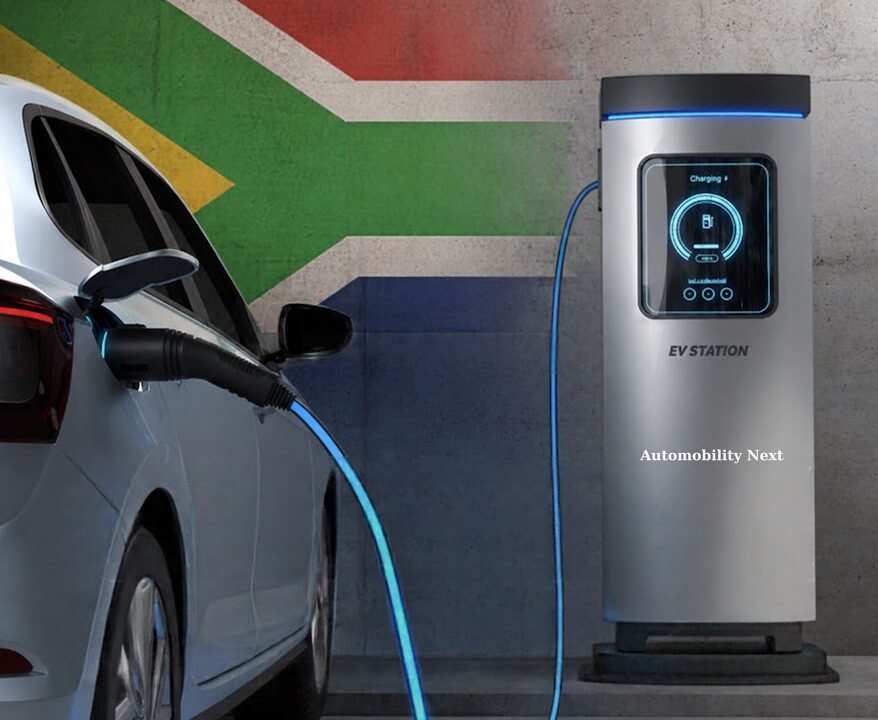
The African Union’s continental electric mobility framework seeks to move the region beyond vehicle electrification towards local manufacturing, battery value chains and energy security, as Kenya, Rwanda and South Africa advance their own automotive policy agendas.
ANTALYA:XPeng targets 20-plus Middle East and Africa markets by 2027 as GX SUV orders top 4,000 About Us Africa has taken a significant step towards defining its own electric mobility transition, presenting a continent-wide policy framework at COP31 that places industrial development, local manufacturing and energy security alongside emissions reduction.
The African Union’s (AU) Strategic Directions for the Development of Electric Vehicles in Africa, adopted by African transport and energy ministers in April 2026, provides a common policy blueprint for member states. Developed with the United Nations Environment Programme (UNEP) and the UN Economic Commission for Africa (UNECA), it seeks to coordinate national EV strategies while building regional automotive and battery supply chains.
The framework covers charging infrastructure, investment incentives, skills development, common technical standards, battery recycling, used-vehicle imports and local value addition. Its central proposition is that Africa should capture more economic value from the transition rather than remain primarily a market for imported electric vehicles.

The initiative builds on national policy developments already under way. Kenya launched its National Electric Mobility Policy in early 2026, alongside fiscal incentives for EV components and charging infrastructure. Rwanda has adopted tax exemptions for electric vehicles and restrictions on new registrations of combustion-engine passenger motorcycles, while its battery-swapping ecosystem is advancing electric two-wheelers.
South Africa, meanwhile, is seeking to adapt its established automotive manufacturing incentive structure to the EV era. In June, it proposed extending production incentives to battery-related minerals, including lithium, graphite, cobalt and copper, strengthening the case for regional supply chains.
These approaches illustrate different priorities: Kenya is targeting adoption and assembly, Rwanda is accelerating fleet electrification, and South Africa is protecting its manufacturing base while preparing for technological change.
The AU framework attempts to connect these national ambitions through regional cooperation and the African Continental Free Trade Area. Its success, however, will depend on implementation, financing, electricity infrastructure and whether governments can translate common policy directions into commercially viable industrial projects.
For Africa, the EV transition is increasingly becoming an industrial policy question, not simply an environmental one.
Related Stories

Samsung and Hyundai Expand Partnership Across 3 Future Mobility Technologies
Samsung and Hyundai expand partnership from car parts into robotics, energy and AI South Korean conglomerates seek to...
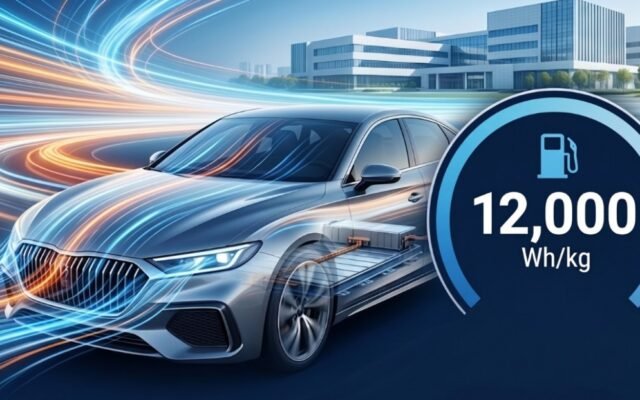
CATL’s lithium-air prototypes cross 1,200 Wh/kg, four times today’s EV cell, but road use is a post-2030 story
CATL’s lithium-air prototypes cross 1,200 Wh/kg, four times today’s EV cells, but road use is a post-2030 story...

YANGWANG UAE makes global debut of luxury electric sedan at Emirates Palace in Abu Dhabi
YANGWANG UAE makes global debut of #Altior luxury electric sedan at Emirates Palace in Abu Dhabi BYD’s luxury...